There is a version of endurance training that looks great on paper.
Every workout completed. Every interval hit. Every long session done exactly as written. No interruptions. No fatigue. No schedule conflicts. No life.
And for most adventure-driven athletes, that version does not exist.
Good.
Because the athletes I work with are not trying to build fitness in a vacuum. They are building it inside full lives. Careers. Families. Travel. Stress. Weather. Limited time. Shifting energy. Real responsibilities.
That does not make you inconsistent. That makes you human.
The problem is that too many athletes still judge themselves by a standard that was never built for the life they actually live. They miss one workout, shift a long ride, shorten a run, or swap a session because their body or schedule says something different than the plan.
And then the spiral starts.
They feel behind. They feel like they are losing momentum. They start questioning the whole week. Sometimes they stop trusting themselves altogether.
But missed perfection is not missed progress.
Fitness is not built because one Tuesday workout was flawless. It is built through the steady accumulation of work over time. The big picture matters more than the isolated blips. One adjusted workout does not ruin your season. One messy week does not erase your base. One pivot does not mean you lack discipline.
In fact, for many athletes, learning how to adjust well is one of the most important skills they can build.
That is what imperfect training really is.
It is not laziness. It is not softness. It is not lowering the bar.
It is knowing how to stay pointed in the right direction even when the week does not go to plan.
Sometimes imperfect training means shortening the workout and still showing up. Sometimes it means moving the key session and letting the rest go. Sometimes it means taking the easy day easier than your ego wants. Sometimes it means getting outside for two hours instead of forcing the exact numbers indoors. Sometimes it means understanding that the best session for today is the one your life can actually support.
That is not failure. That is maturity.
Adventure-driven endurance athletes need a different standard.
Not “Did I execute every detail perfectly?” But: Did I keep moving forward? Did I make a smart decision? Did I protect the rhythm of training inside real life?
Because that rhythm is what keeps you in the game.
The goal is not to become the athlete who never has disruption. The goal is to become the athlete who knows how to navigate it.
That is where coaching actually matters.
Not in building some fantasy version of your life where nothing ever shifts. But in helping you remove decision fatigue, adapt without guilt, and keep training in a way that supports both performance and the rest of your life.
You do not need more pressure. You do not need a plan that punishes you for being busy. You do not need to earn progress by executing perfectly.
You need a framework that works in the life you actually have.
That is the case for imperfect training.
Not less commitment. Not less intention. Just a better way to stay in motion.
Many professionals believe leadership success comes down to one thing: Stay later. Work harder. Respond faster. Push through. Carry more. For a long time, this works. Intensity drives results. Responsiveness builds trust. Effort gets noticed. But as responsibility grows, something changes. The leaders who continue … Continue reading Leadership Isn’t About Working Harder — It’s About Direction
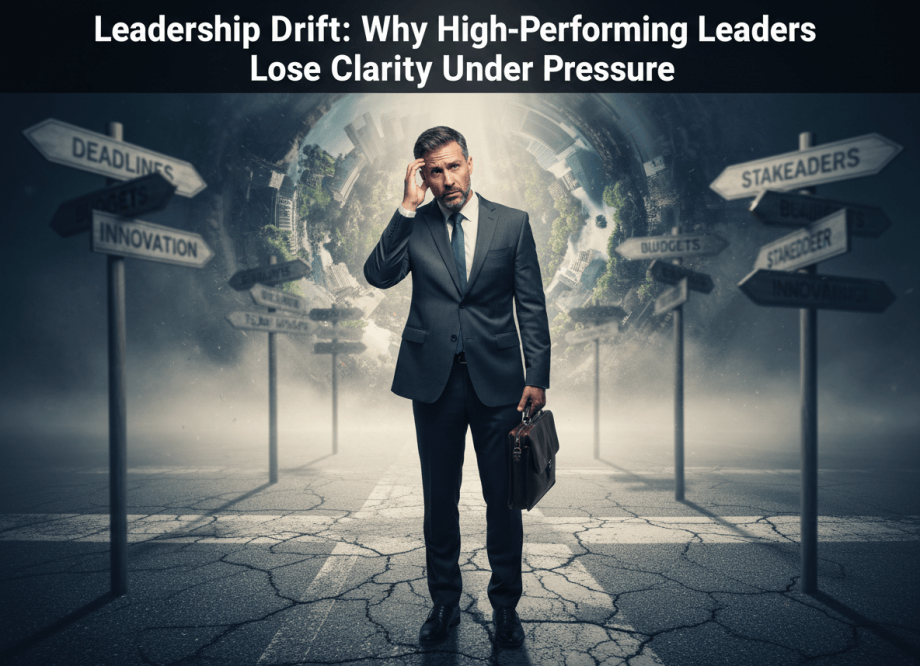
Most leadership challenges don’t begin with failure, burnout, or a lack of capability.They begin with drift. For high-performing professionals and emerging executives, leadership drift often creeps in quietly—under pressure, with increasing responsibility, and amid constant decision-making. You’re still performing. Still trusted. Still delivering results. But … Continue reading Leadership Drift: Why High-Performing Leaders Lose Clarity Under Pressure
COR.E Leadership DynamicsTM COR.E Leadership DynamicsTM is the most comprehensive process for mastery in leadership and life. Ever notice that the best leaders seem to have something intangible? They are confident, decisive, calm, and engaged. COR.E Leadership Dynamics examines the leader you ideally want to … Continue reading Unlock Your Leadership Potential Using COR.E Dynamics
Have you ever come across that meme featuring Kobe Bryant’s 10 rules for success? It seems to pop up in my social media feeds just when I need a dose of inspiration. Kobe, a legendary figure in basketball, was not only an athlete but also … Continue reading Unlock Greatness: Kobe Bryant’s 10 Rules for Achieving Success
As endurance athletes, we often focus on crossing the finish line of our next race, motivated by the thrill of competition and the desire for personal achievement. However, an athlete’s journey is about more than just that one moment of glory; it’s about setting visionary … Continue reading Setting SMART Goals for Endurance Athletes
In today’s business and organizational development environment, the terms “leadership” and “management” are often used interchangeably, blurring the lines between their distinct roles and responsibilities. Although both are essential for an organization’s success, they represent fundamentally different approaches to guiding people and processes. This overview … Continue reading Understanding Leadership vs. Management: Key Differences Explained
Embracing the Core Energy Coaching™ Foundational Principle: “The Answer to All Questions Lies Within” In the ever-evolving landscape of personal and professional development, we often seek answers from external sources, such as mentors, books, and industry experts. While these resources provide valuable insights, the foundational … Continue reading Trusting Your Intuition: A Guide to Self-Discovery
Embracing the Core Energy CoachingTM Foundational Principle: “You Cannot Make a Mistake” In the realm of personal and professional development, the concept of making mistakes often looms large over our decision-making processes. We are conditioned to fear failure, which leads to hesitation and an aversion … Continue reading Reframing Mistakes: From Fear to Growth