
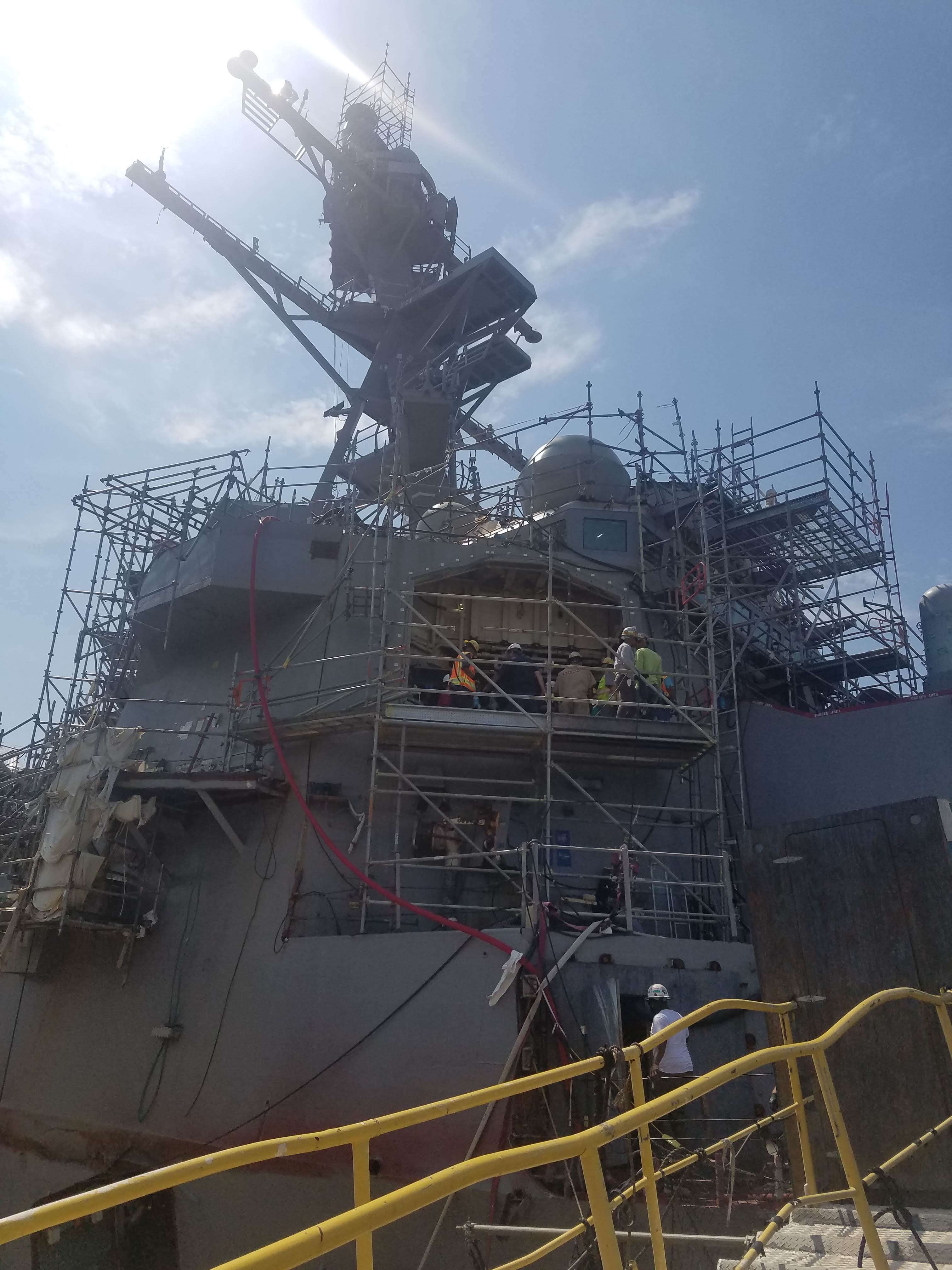
My ship was supposed to leave the shipyard the month I took command. She didn’t sail for almost three more years.
She entered a shipyard availability in February 2018, planned for 15 months. That put the finish line in May 2019, the month I took command. Instead, a catastrophic electrical fire turned 15 months into four years.
Leaders tell me some version of the same sentence all the time: “I just can’t motivate my team.” “Nothing motivates them.” I used to hear that as a speech problem. A crew that spent four years in a shipyard taught me it’s a conditions problem. Motivation isn’t what you start with. It’s what shows up when you build the right conditions.
Here is how we built them, and what I’d tell any leader who feels stuck.
It starts with the basics
Before I ever set foot on a Navy ship, Officer Candidate School delivered me my first lesson in leadership. Of the many seemingly random tasks assigned, OCS gave us three major inspections in 13 weeks. LTs and Chief Petty Officers came through and checked how we folded T-shirts and socks, starched uniforms, and made our beds, all down to the quarter inch. The standard was published, so nobody had to guess. But it didn’t matter how long you spent squaring away your gear. The inspectors were going to find something, and every mistake cost points. It was attention to detail at a ridiculous level. It was a circus.
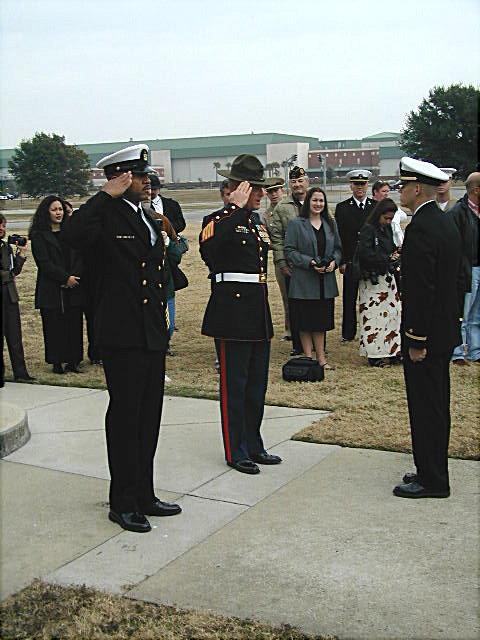
The lesson was still real. If I can’t follow directions on folding a T-shirt, how am I going to drive a 9,000-ton destroyer?
I also took a second lesson the inspectors probably didn’t intend. A standard everyone knows is the building block of discipline. A standard where the scoring moves just wears people down. When I became the one setting standards, I owed my crew the first and never the second.
Inspect what you expect
Years later, I reported aboard a destroyer as executive officer, 3.5 months into a 7 month deployment. The crew had slipped into a lax routine.
The plan of the day called for 30 minutes of cleaning after morning quarters, so I walked the ship to see how it went. At 505 feet, that doesn’t take long. For 30 minutes, I found no one with a foxtail or a broom in their hand. The next day I did it again. Five minutes in, I had seen enough.
I mustered the leadership and told them exactly what I expected: for 30 minutes, leaders and sailors alike would be out in their spaces cleaning. Mess decks, berthing, offices. No exceptions.
The next day, and the days after, the message started to land. When I walked the ship, sailors and leaders were out in their spaces, inspecting, finding small things wrong, and documenting them for corrective action before they became bigger problems.
I kept walking, and I kept talking. I stopped to learn a little about each sailor: how they were handling the deployment, what they wanted out of their career. You can’t lead sailors hiding in your stateroom, and you can’t lead a team from behind a desk. You have to get out and inspect what you expect.
I have never seen a high performing dirty ship. The cleaning isn’t the cause. It’s the cheapest daily test of whether standards hold. If I can’t trust you to clean your spaces for 30 minutes a day, how am I going to trust you with a fire onboard or an inbound missile?
That standard became a ladder. Clean the ship. Maintain the equipment. Train every watchstander in the basics of firefighting, defense of the ship, and communicating off the ship. Same habit, higher stakes.
The Saturday night fire
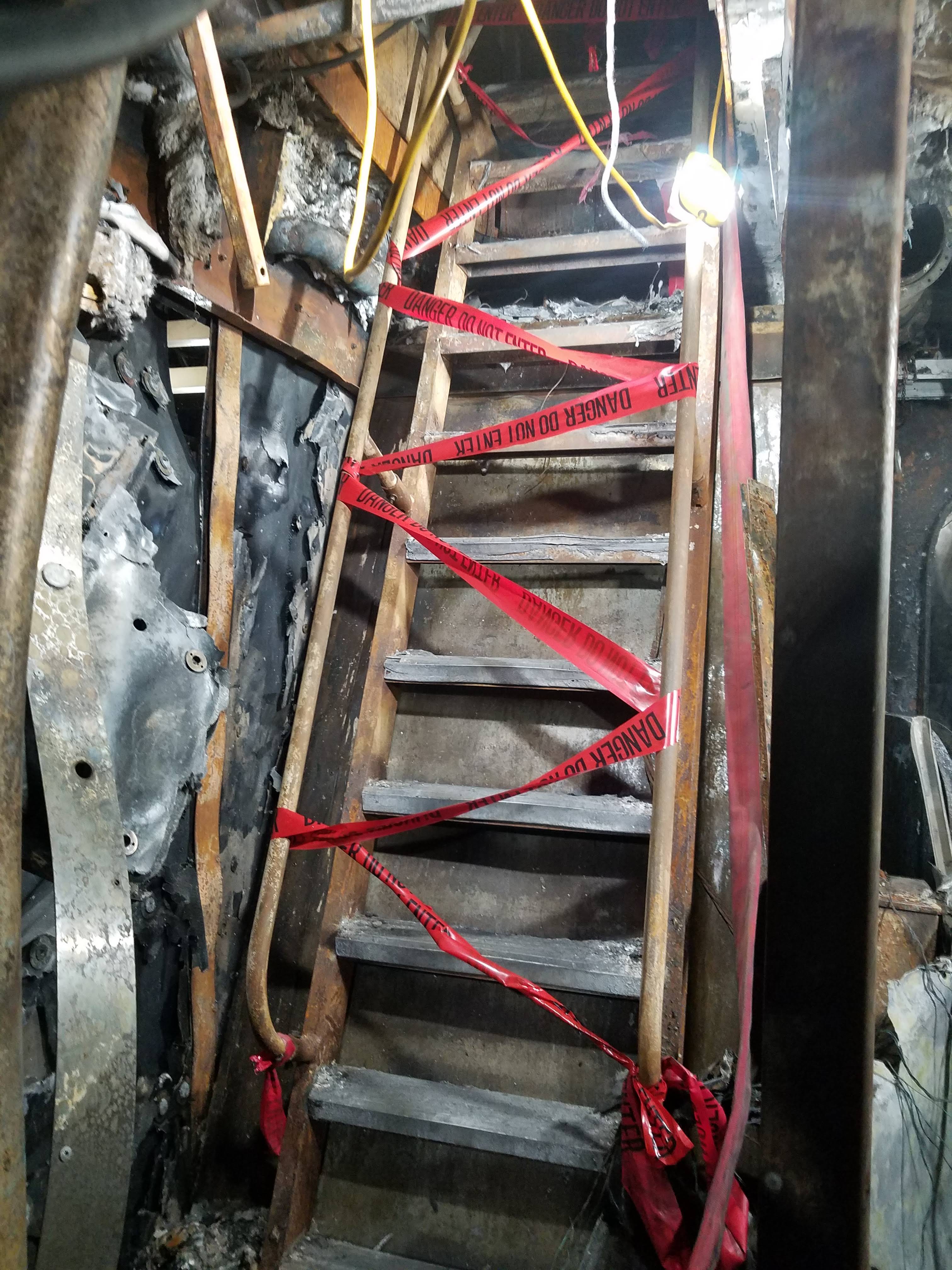
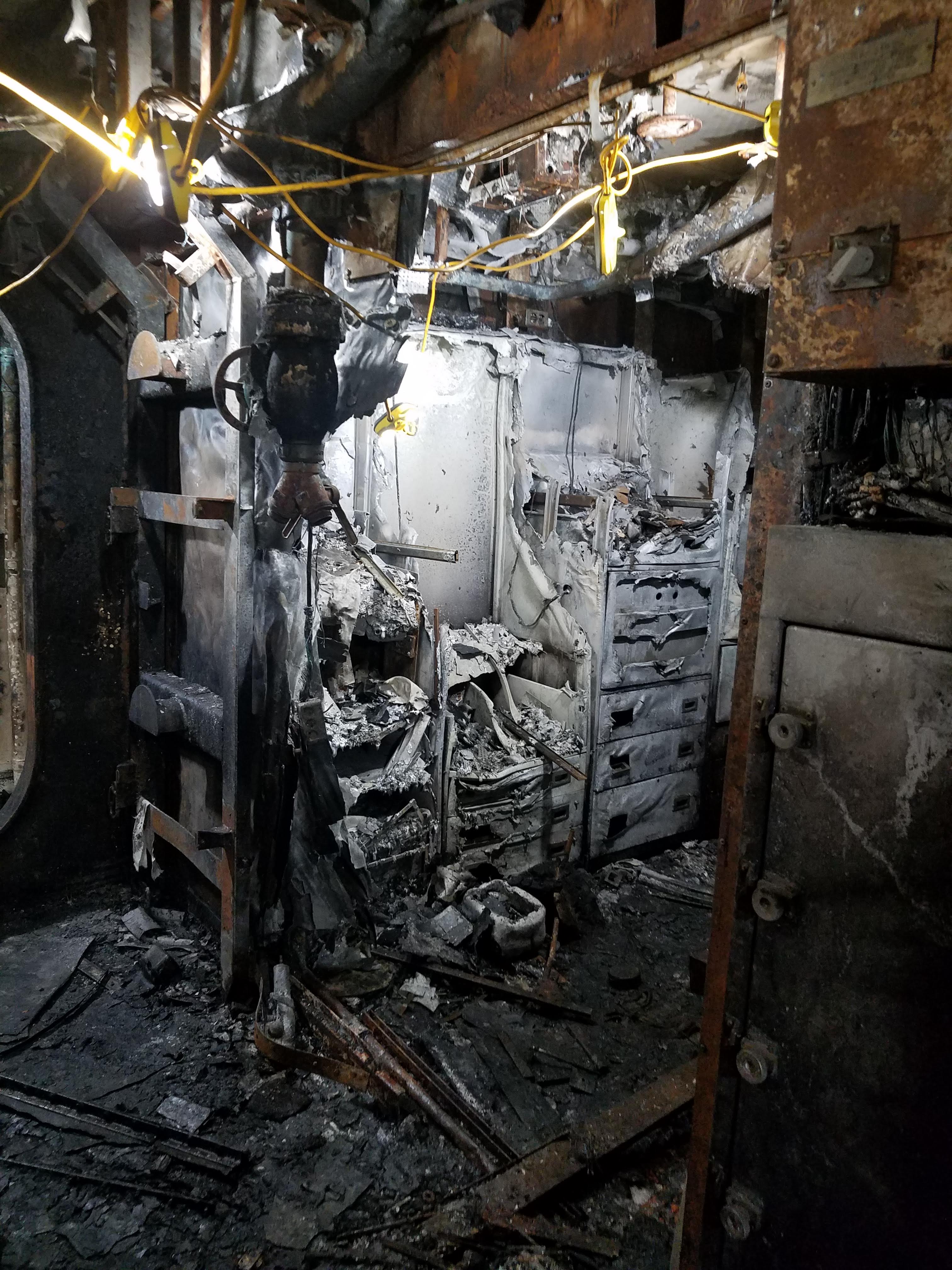
In October 2018, eight months into the availability, a catastrophic electrical fire broke out aboard on a Saturday night. The only people aboard were the duty section. A destroyer crew runs around 360 sailors, chiefs, and officers, and we stood duty in five sections, so that was roughly 70 sailors. The command duty officer was a Lieutenant. The section leader was a chief petty officer, one of our senior enlisted leaders. The captain and I were both at home. By the time we got there, it was out.
That duty section put the fire out quickly, without hesitation and without casualties. No speech got them there. They ran on habit.
I didn’t get to choose which fifth of the crew had the watch that night, or which leaders were in charge of it. That’s why a standard has to live in every sailor, every section, and every level of the chain. On the worst night of that ship’s life, the people in charge weren’t the captain or the XO. They were the leaders we had built. And that is the real test of a standard: it isn’t whether the crew meets it when you’re watching, but whether it holds when you aren’t.
What it cost me
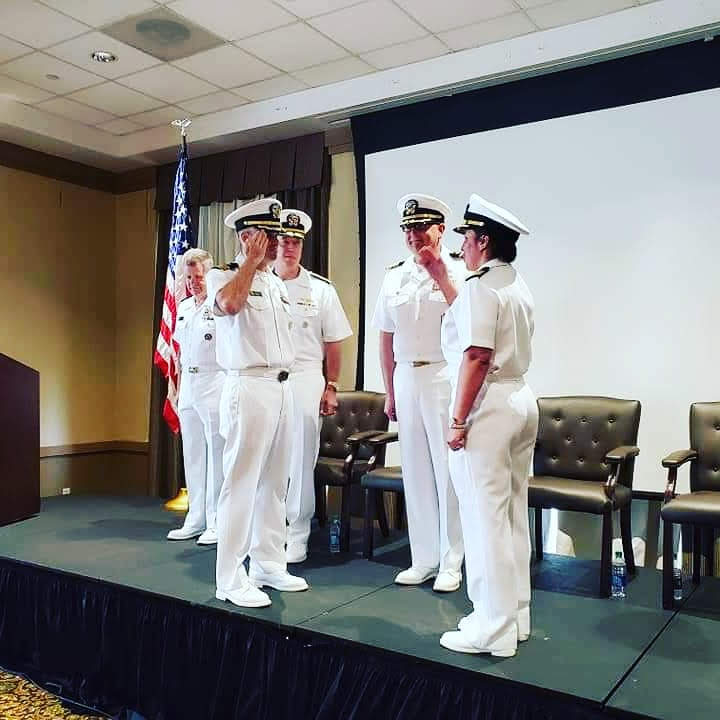
That fire turned a 15-month availability into four years. Sailors want to do their jobs and train in their specialties, and the yards gave them neither. They lived on a barge next to their own ship, and after the fire we dropped from five duty sections to four, so every sailor stood duty more often. It was tough on the crew. To say morale was low is an understatement.
In May 2019, the month the availability was supposed to end, I took command of that ship. I had spent 19 years getting to that point. Like my sailors, I would never get to do much of what I had trained for: no ship driving, no training to fight the ship, no sunsets from the bridge wing chair. Our command screening weighs our ranking against our peers heavily, and no matter how hard I worked or how successful the ship was, I would never be ranked above a peer who actually deployed. My career wasn’t over. But, it was a roadblock that would affect follow-on assignments.
I couldn’t change that, and I couldn’t change the schedule. So I asked what I could control.
Hard, smart, together
On day one, I told the crew we were going to own this ship. My command philosophy was three phrases, and I repeated them my entire tour. Our mission was to bring her back to life and set the conditions to get her back to sea.
Work hard. We didn’t stop while there was work to be done. I was going to ask a lot of this crew from day one, and I didn’t shy away from it. I demanded that we not let off the gas. If you wanted easy, you picked the wrong ship.
It didn’t start when I took command. While I was still the XO, the shipyard finished its work on the steering system, and we had to test it. I went down to aft steering, the space where the rudder can be moved by hand in an emergency. A hand pump assembly does the work, and it takes 30 turns to move the rudder a single degree. The test ran the rudder from centerline, straight ahead, to 35 degrees right, back to centerline, to 35 degrees left, and back again. Nobody counted, but the math says about 4,200 turns of the pump. It is slow and exhausting, built for emergency centering and basic control, not for maneuvering. I spent time there with a group of sailors, trading off at the pump.
Work smart. Working hard didn’t mean working blindly. If there was a better way to do something, I wanted to hear it, and I didn’t care whether it came from the most junior sailor, a chief, or an officer. If an idea wasn’t going to hurt anyone, break equipment, or violate an established procedure, I was willing to try it once.
Here is what that looked like. While the ship was in the yards, the crew lived on a barge next to her. The first door off the brow, the gangway from the pier, led straight into a berthing compartment, and sailors, being sailors, took the shortest route through it. The door banged, the compartment got loud, and it kept up the sailors who were on duty or resting for a night watch. A junior sailor came to me and asked if they could keep people from using that door.
I said it was their berthing compartment, so sure. I set one condition: the door couldn’t be locked, because that would create a fire hazard. Put up a sign, I told them, and police yourselves.
The sign went up, and the door stayed closed. The crew policed itself. They didn’t need the captain to tell them to keep a door closed.
Work together. No one sailor, no one division, and no one department was going to do this alone. We needed every sailor pulling their weight and then some.
Bringing the ship’s systems back online was engineering work, and the engineers couldn’t do all of it. So the crew ran what we called a Fast Action Response Team. A team of sailors would go through one space, identify every material discrepancy, meaning everything broken or out of standard, then divide the list and fix as many items as they could. It was not uncommon to find an operations specialist, a yeoman, or a boatswain’s mate in Main Engine Room Number 1, none of them engineers, rubbing elbows with the engineers. They were painting the space and knocking out zone inspection items while the engineers brought the systems online. I walked those spaces too, and talked with the sailors doing the work.
Starting with what we could control
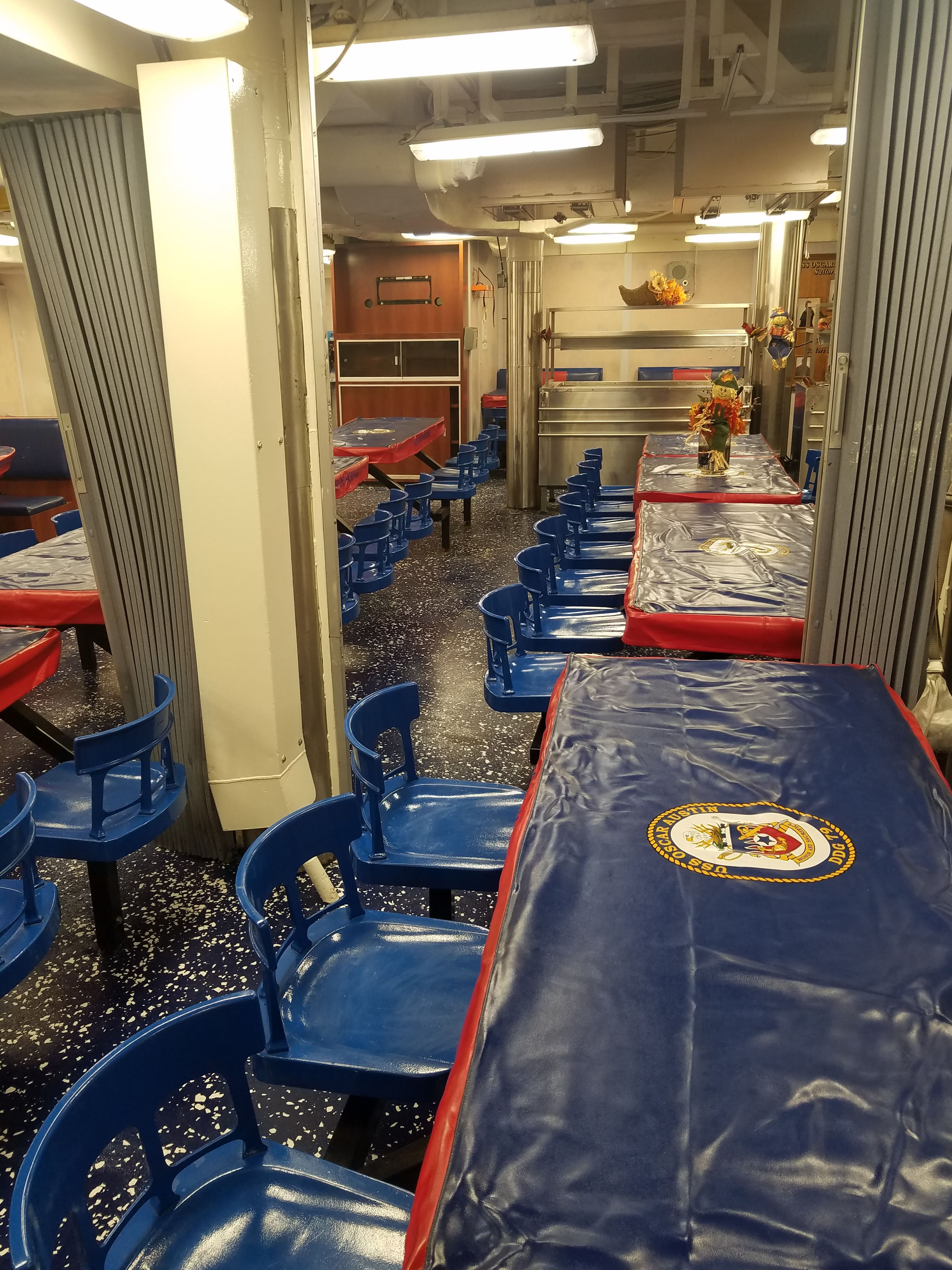
We also picked a goalpost the crew could picture: Thanksgiving dinner aboard.
We started with what we could train. Damage control, force protection, and medical were skills the crew used every day, and they gave sailors their real jobs back. The full training cycle couldn’t begin until the entire repair package was complete, so we certified all three while I was aboard, ahead of the cycle itself.
Then major systems started coming back online, and the crew started chasing leaks. The ship doesn’t go anywhere without water, power, and air, and they were responsible for bringing back all three.
One night the duty section had been working leaks in the seawater service system for four hours. Close to 2200, the command duty officer called to ask if they could keep going. The sailors were dirty, tired, and wet, and they didn’t want to stop. They could see their work paying off. I applauded their tenacity and told the CDO to stand them down for the night. Nobody had ordered them to want it that badly. It was their ship.
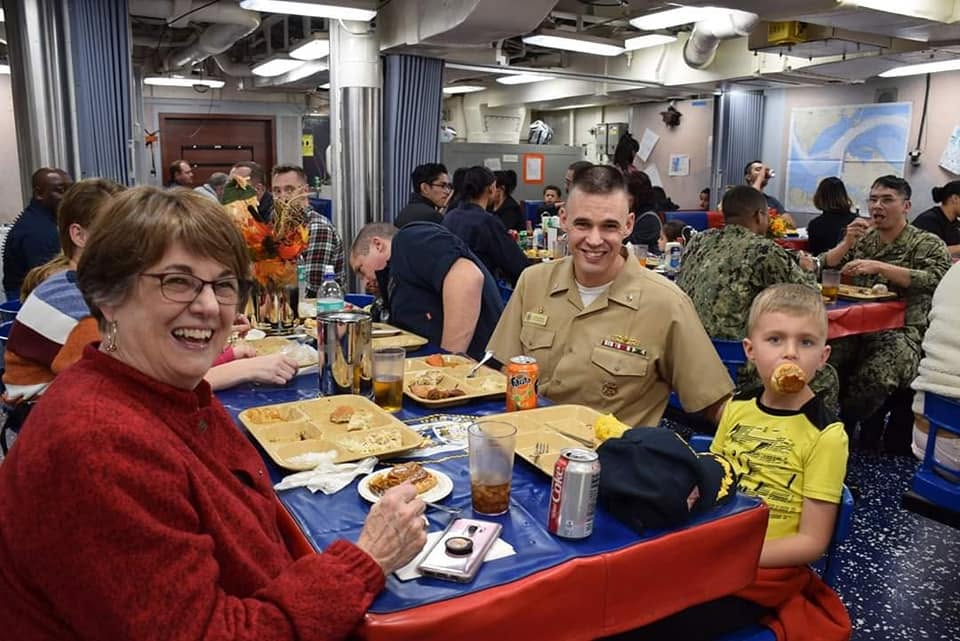
We ate Thanksgiving dinner aboard in 2019. We were so close to cooking it in our own galley, and we fell just short, so we cooked on the barge where the crew lived, next to the ship, and carried it aboard.
We invited families. That mattered most for the sailors on duty, who got to share the meal with theirs anyway.
The pier
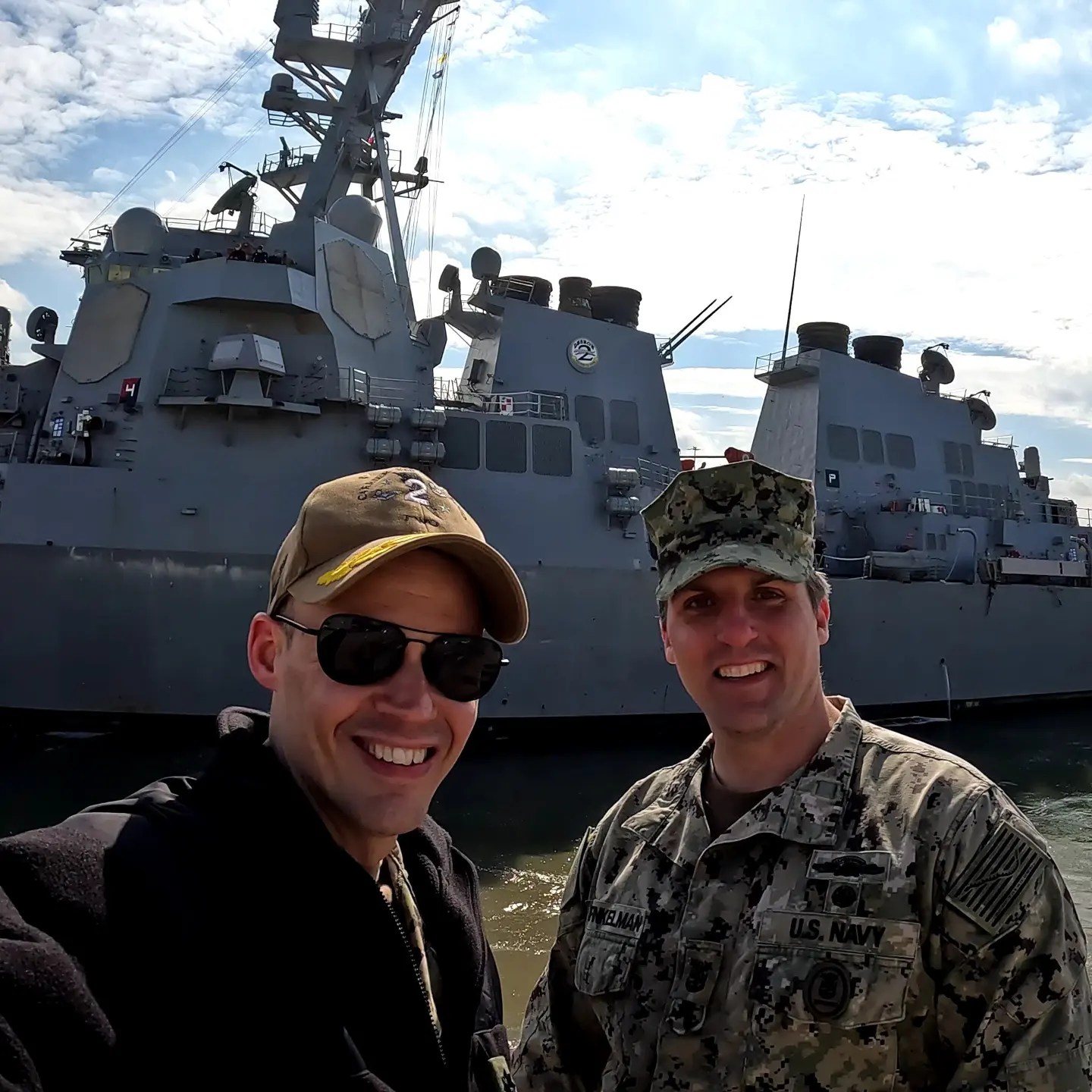
The work didn’t stop after that meal. It took more than two years more. When that ship finally got underway on a cold day in February 2022, four years after she entered the yards, I wasn’t her captain anymore. I stood on the pier and watched her sail.
I was proud of everything every sailor went through to get her back to sea, and proud that we had set the conditions for the crew to succeed. I was excited that everyone was finally back where they belonged, at sea, training and doing their jobs. The yards had taken those jobs away. That morning, they got them back.
And I was sad. I wasn’t going with them.
Four years in the yards could have broken that ship. It didn’t. Her crew survived, and then they thrived. After I left, the ship went through the basic and intermediate training phases successfully, deployed, and went on to take a spot overseas as one of our nation’s forward deployed units.
Some had rotated on by then, me included, but at least half of the crew was aboard for both the fire and the sailing. The standard held through the turnover.
What I’d tell any leader
Inspect what you expect. Announcing a standard isn’t leading. Walking the space is. Inspection tells you what’s wrong, and conversation tells you who your people are. Do both. People do what leaders check, not what leaders mention.
Every standard has to pass three tests. Known: written, shown, and taught. Linked: you can say in one sentence how it connects to readiness, safety, or the mission. Inspected: checked consistently, and the answer doesn’t depend on your mood. Some standards fail the second test. Cut them. A leader who prunes earns the right to hold the rest without exception.
Discipline produces motivation. My words only mattered because the progress backed them up. What fired that crew up was work they could see paying off: a certification earned, a system back online, a leak closed. Researchers Teresa Amabile and Steven Kramer found that small wins on meaningful work are among the strongest drivers of people’s day-to-day motivation. Pick wins your team controls, make progress visible, and tie it to the real job.
Give them a goalpost they can picture, and tell the truth when you miss. “Systems online” is a work package. “Thanksgiving dinner aboard” is something a sailor can taste. We hit the goal and missed the stretch, and I’d rather say so than pretend. A team that watched the gap close will trust you more for naming it.
Discipline isn’t rigidity. The boundaries stayed fixed: don’t hurt anyone, don’t break equipment, don’t violate procedure. Inside them, any sailor’s idea got a hearing. The berthing door is a small example: a junior sailor had the idea, I had one condition, and the crew policed itself. A fence with one clear rule gave them more room to lead than a rulebook with fifty.
Hard doesn’t mean spent. Demanding effort and standing a tired duty section down at 2200 are the same judgment. Knowing when to stop is part of discipline.
Build a culture that outlives you. The fire proved it once: about 70 sailors, under a Lieutenant and a chief petty officer, ran on habit with the captain and me at home. The pier proved it again: through turnover, the crew went on to thrive without me. If a standard only holds when you’re in the room, you built compliance. If it holds when you leave, you built a culture.
Try this Monday
- Pick one small standard. Define it so a stranger could tell whether it was met.
- Say in one sentence why it matters. If you can’t, cut it.
- Walk the floor and inspect it. Ask one person something that has nothing to do with the task.
- Set a goalpost your team can picture, with a date.
- Ask each person for one better way to do something, and tell them where the fence is.
- Ask yourself: if I left tomorrow, which standard would still hold?
Work with me
I coach leaders stepping into department head, XO, command, and director roles. Most arrive believing their job is to motivate. Before we talk about energy or influence, we look at what the team controls, whether progress is visible, and whether the leader’s own standard is clear. That’s the core of Mind Your Helm. If you’re newly promoted and your team feels flat, reach out here.
Views are my own and do not represent the Department of the Navy.

