Author: Wesley A. Brown

With 25 years of dedicated service in the Navy, I am a performance-focused leader and certified coach who specializes in cultivating elite-level mindset, endurance, and leadership skills under pressure. My extensive experience has equipped me with the tools to develop mental toughness and resilience, enabling individuals to set and achieve ambitious goals through a blend of physical and mental training. Today, I am committed to empowering athletes, leaders, and high-performers to navigate obstacles, establish impactful routines, and excel in demanding environments. My passion lies in helping individuals unlock their inner strength, channel their energy with intention, and fully engage in both their sports and life pursuits. If you’re ready to take the next step in your journey and thrive, I invite you to connect with me. Together, we can create a path toward achieving your goals and realizing your fullest potential!

Stop Trying to Motivate Your Team: What a Ship That Couldn’t Sail Taught Me

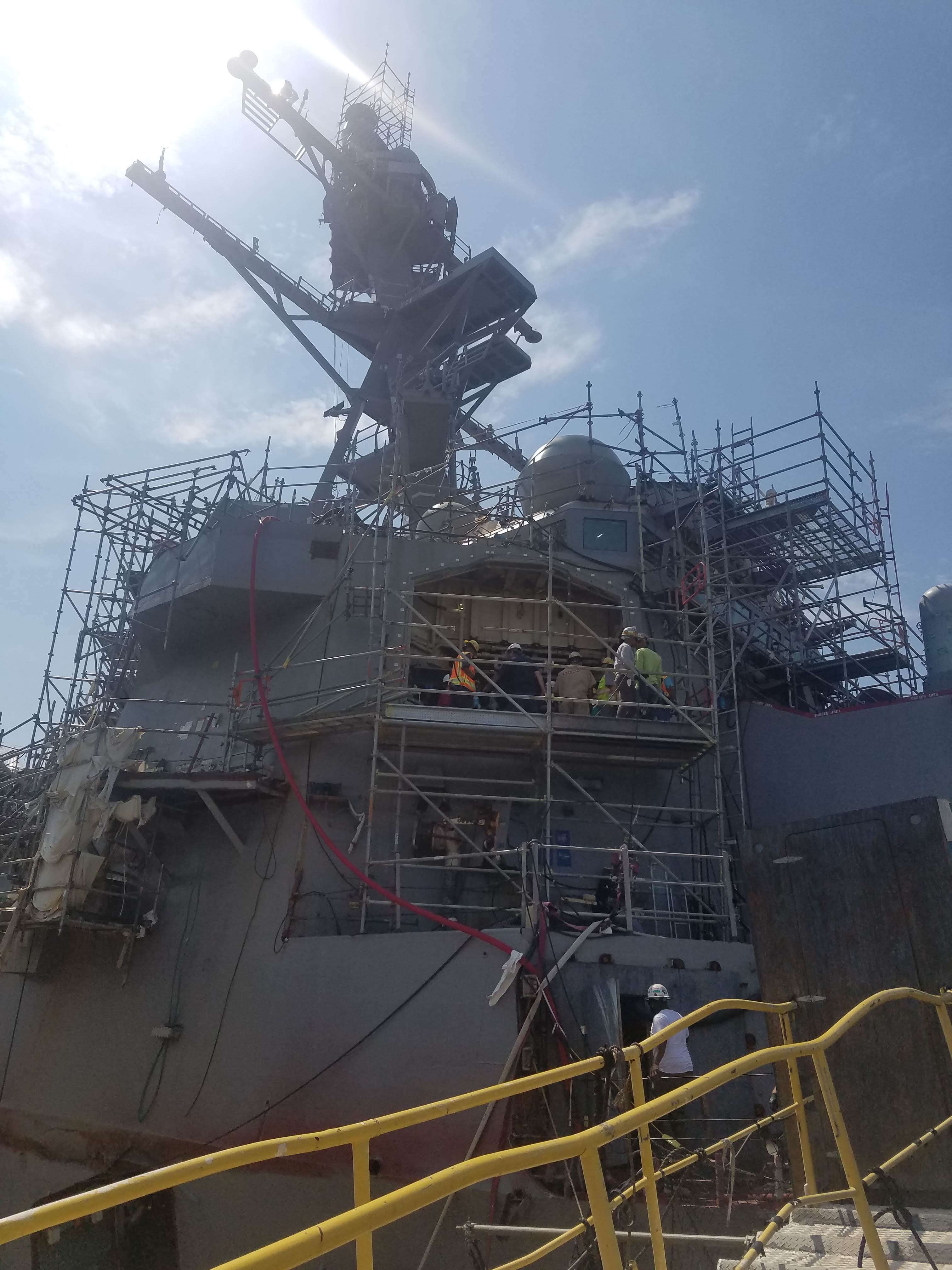
Industrial facility under construction, covered in scaffolding with workers and metal structures against a bright blue sky

My ship was supposed to leave the shipyard the month I took command. She didn’t sail for almost three more years.

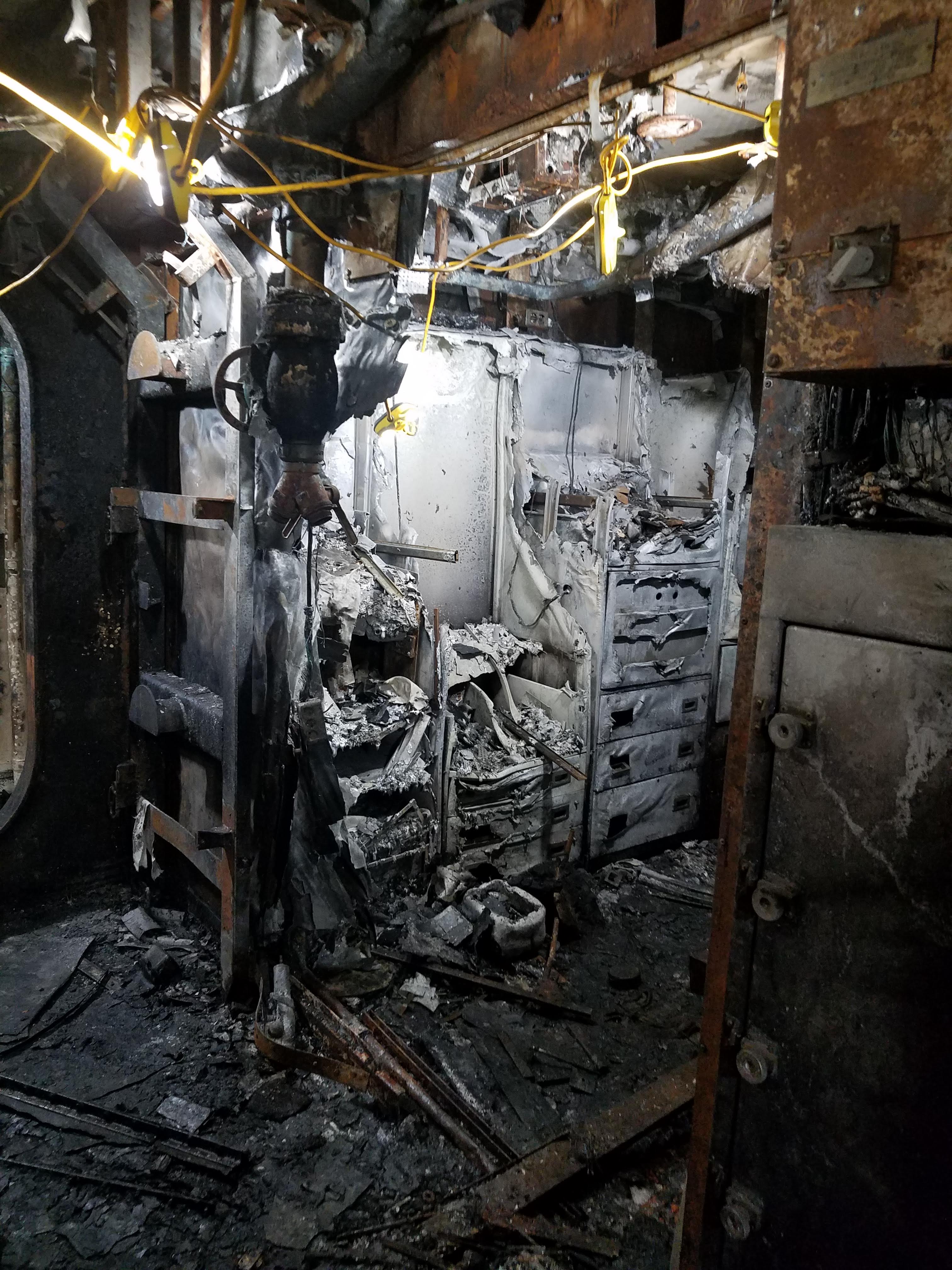
She entered a shipyard availability in February 2018, planned for 15 months. That put the finish line in May 2019, the month I took command. Instead, a catastrophic electrical fire turned 15 months into four years.

Leaders tell me some version of the same sentence all the time: “I just can’t motivate my team.” “Nothing motivates them.” I used to hear that as a speech problem. A crew that spent four years in a shipyard taught me it’s a conditions problem. Motivation isn’t what you start with. It’s what shows up when you build the right conditions.

Here is how we built them, and what I’d tell any leader who feels stuck.

It starts with the basics

Before I ever set foot on a Navy ship, Officer Candidate School delivered me my first lesson in leadership. Of the many seemingly random tasks assigned, OCS gave us three major inspections in 13 weeks. LTs and Chief Petty Officers came through and checked how we folded T-shirts and socks, starched uniforms, and made our beds, all down to the quarter inch. The standard was published, so nobody had to guess. But it didn’t matter how long you spent squaring away your gear. The inspectors were going to find something, and every mistake cost points. It was attention to detail at a ridiculous level. It was a circus.
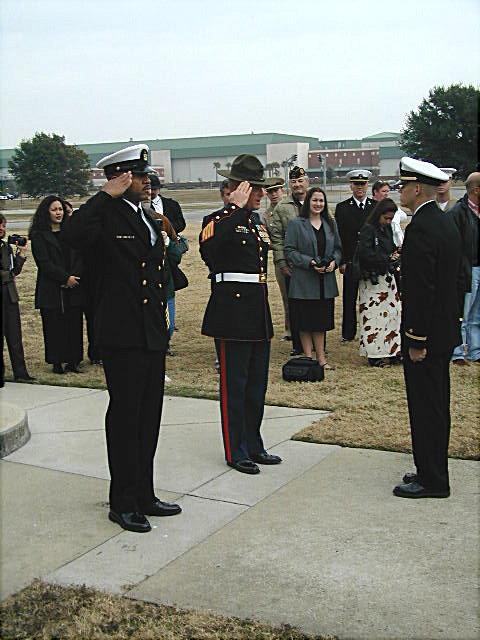
Military officers in uniform saluting during an outdoor ceremony, with spectators and an industrial building in the background.
First Salute, OCS Dec 2000

The lesson was still real. If I can’t follow directions on folding a T-shirt, how am I going to drive a 9,000-ton destroyer?

I also took a second lesson the inspectors probably didn’t intend. A standard everyone knows is the building block of discipline. A standard where the scoring moves just wears people down. When I became the one setting standards, I owed my crew the first and never the second.

Inspect what you expect

Years later, I reported aboard a destroyer as executive officer, 3.5 months into a 7 month deployment. The crew had slipped into a lax routine.

The plan of the day called for 30 minutes of cleaning after morning quarters, so I walked the ship to see how it went. At 505 feet, that doesn’t take long. For 30 minutes, I found no one with a foxtail or a broom in their hand. The next day I did it again. Five minutes in, I had seen enough.

I mustered the leadership and told them exactly what I expected: for 30 minutes, leaders and sailors alike would be out in their spaces cleaning. Mess decks, berthing, offices. No exceptions.

The next day, and the days after, the message started to land. When I walked the ship, sailors and leaders were out in their spaces, inspecting, finding small things wrong, and documenting them for corrective action before they became bigger problems.

I kept walking, and I kept talking. I stopped to learn a little about each sailor: how they were handling the deployment, what they wanted out of their career. You can’t lead sailors hiding in your stateroom, and you can’t lead a team from behind a desk. You have to get out and inspect what you expect.

I have never seen a high performing dirty ship. The cleaning isn’t the cause. It’s the cheapest daily test of whether standards hold. If I can’t trust you to clean your spaces for 30 minutes a day, how am I going to trust you with a fire onboard or an inbound missile?

That standard became a ladder. Clean the ship. Maintain the equipment. Train every watchstander in the basics of firefighting, defense of the ship, and communicating off the ship. Same habit, higher stakes.

The Saturday night fire
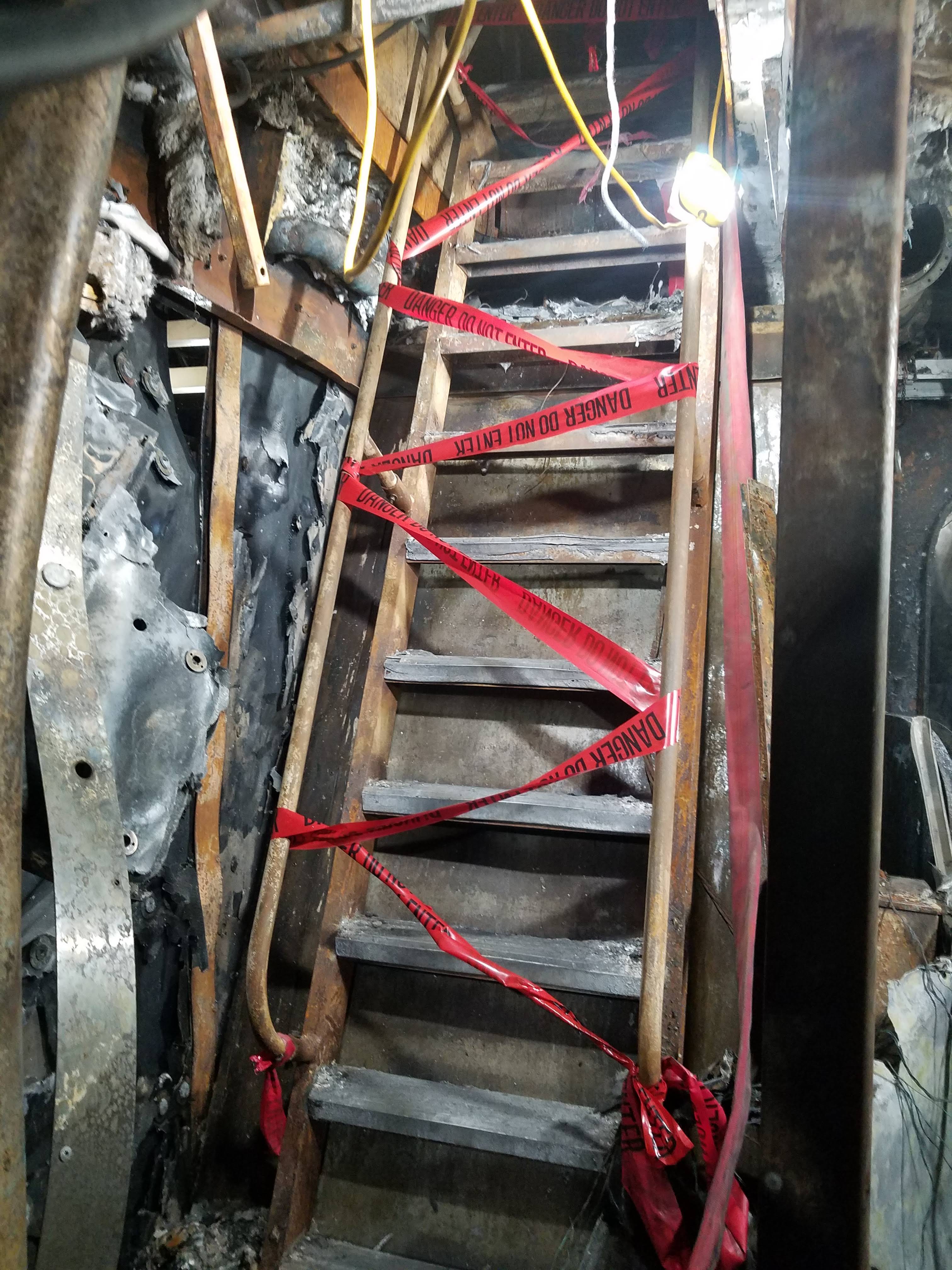
In October 2018, eight months into the availability, a catastrophic electrical fire broke out aboard on a Saturday night. The only people aboard were the duty section. A destroyer crew runs around 360 sailors, chiefs, and officers, and we stood duty in five sections, so that was roughly 70 sailors. The command duty officer was a Lieutenant. The section leader was a chief petty officer, one of our senior enlisted leaders. The captain and I were both at home. By the time we got there, it was out.

That duty section put the fire out quickly, without hesitation and without casualties. No speech got them there. They ran on habit.

I didn’t get to choose which fifth of the crew had the watch that night, or which leaders were in charge of it. That’s why a standard has to live in every sailor, every section, and every level of the chain. On the worst night of that ship’s life, the people in charge weren’t the captain or the XO. They were the leaders we had built. And that is the real test of a standard: it isn’t whether the crew meets it when you’re watching, but whether it holds when you aren’t.

What it cost me
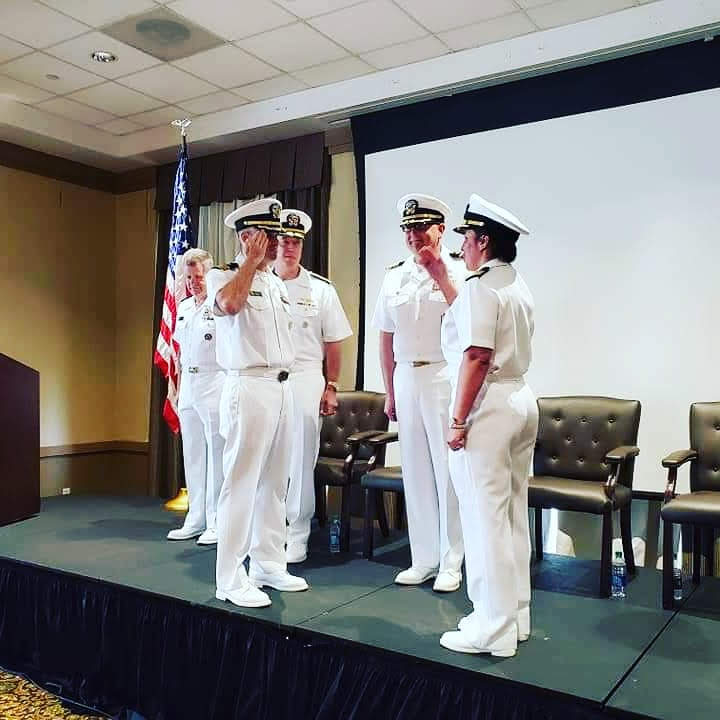
U.S. Navy officers in white uniforms participating in a formal ceremony on a stage

That fire turned a 15-month availability into four years. Sailors want to do their jobs and train in their specialties, and the yards gave them neither. They lived on a barge next to their own ship, and after the fire we dropped from five duty sections to four, so every sailor stood duty more often. It was tough on the crew. To say morale was low is an understatement.

In May 2019, the month the availability was supposed to end, I took command of that ship. I had spent 19 years getting to that point. Like my sailors, I would never get to do much of what I had trained for: no ship driving, no training to fight the ship, no sunsets from the bridge wing chair. Our command screening weighs our ranking against our peers heavily, and no matter how hard I worked or how successful the ship was, I would never be ranked above a peer who actually deployed. My career wasn’t over. But, it was a roadblock that would affect follow-on assignments.

I couldn’t change that, and I couldn’t change the schedule. So I asked what I could control.

Hard, smart, together

On day one, I told the crew we were going to own this ship. My command philosophy was three phrases, and I repeated them my entire tour. Our mission was to bring her back to life and set the conditions to get her back to sea.

Work hard. We didn’t stop while there was work to be done. I was going to ask a lot of this crew from day one, and I didn’t shy away from it. I demanded that we not let off the gas. If you wanted easy, you picked the wrong ship.

It didn’t start when I took command. While I was still the XO, the shipyard finished its work on the steering system, and we had to test it. I went down to aft steering, the space where the rudder can be moved by hand in an emergency. A hand pump assembly does the work, and it takes 30 turns to move the rudder a single degree. The test ran the rudder from centerline, straight ahead, to 35 degrees right, back to centerline, to 35 degrees left, and back again. Nobody counted, but the math says about 4,200 turns of the pump. It is slow and exhausting, built for emergency centering and basic control, not for maneuvering. I spent time there with a group of sailors, trading off at the pump.

Work smart. Working hard didn’t mean working blindly. If there was a better way to do something, I wanted to hear it, and I didn’t care whether it came from the most junior sailor, a chief, or an officer. If an idea wasn’t going to hurt anyone, break equipment, or violate an established procedure, I was willing to try it once.

Here is what that looked like. While the ship was in the yards, the crew lived on a barge next to her. The first door off the brow, the gangway from the pier, led straight into a berthing compartment, and sailors, being sailors, took the shortest route through it. The door banged, the compartment got loud, and it kept up the sailors who were on duty or resting for a night watch. A junior sailor came to me and asked if they could keep people from using that door.

I said it was their berthing compartment, so sure. I set one condition: the door couldn’t be locked, because that would create a fire hazard. Put up a sign, I told them, and police yourselves.

The sign went up, and the door stayed closed. The crew policed itself. They didn’t need the captain to tell them to keep a door closed.

Work together. No one sailor, no one division, and no one department was going to do this alone. We needed every sailor pulling their weight and then some.

Bringing the ship’s systems back online was engineering work, and the engineers couldn’t do all of it. So the crew ran what we called a Fast Action Response Team. A team of sailors would go through one space, identify every material discrepancy, meaning everything broken or out of standard, then divide the list and fix as many items as they could. It was not uncommon to find an operations specialist, a yeoman, or a boatswain’s mate in Main Engine Room Number 1, none of them engineers, rubbing elbows with the engineers. They were painting the space and knocking out zone inspection items while the engineers brought the systems online. I walked those spaces too, and talked with the sailors doing the work.

Starting with what we could control
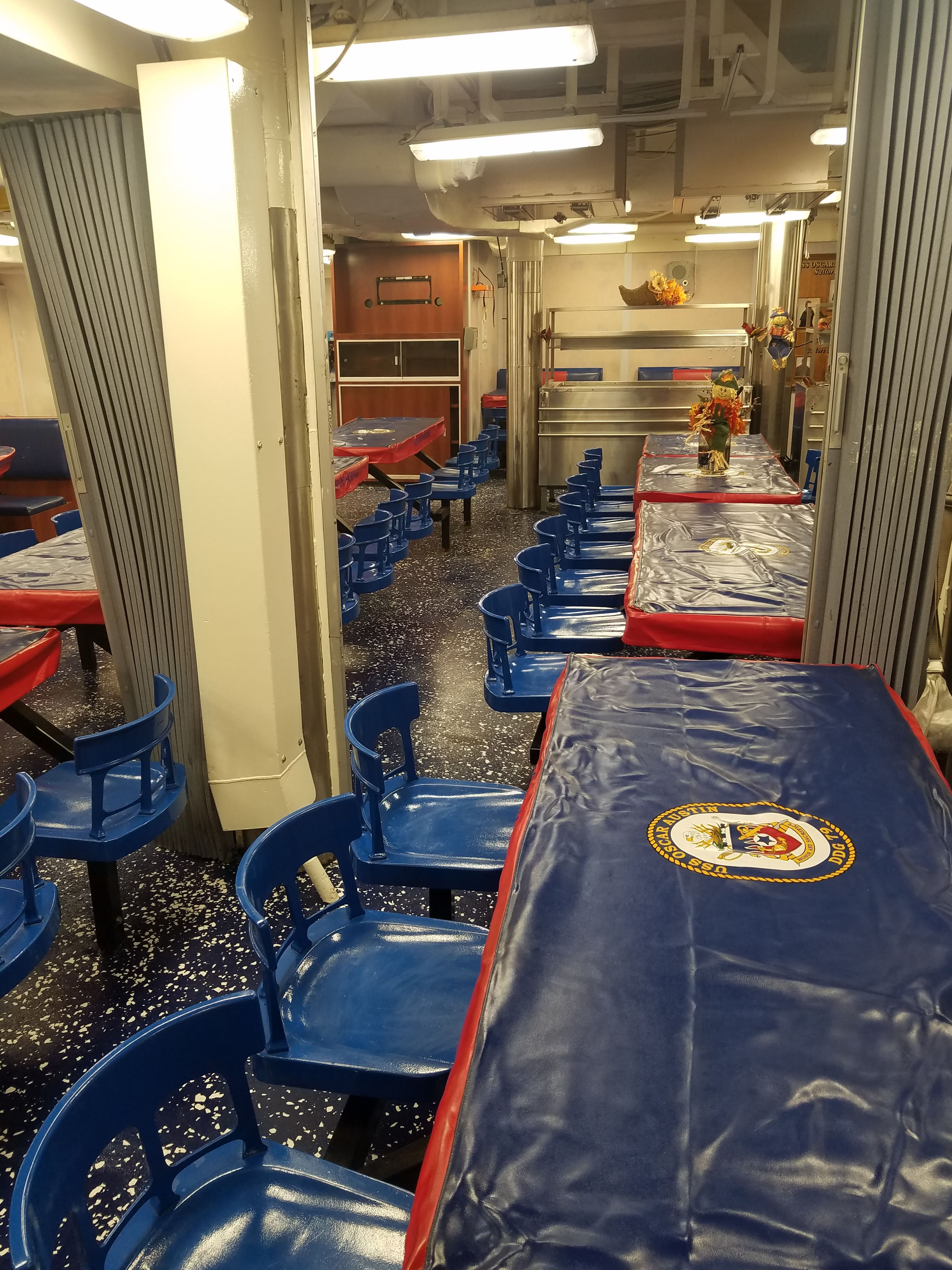
Interior of a ship dining room with blue chairs, red-trimmed tables, and stainless steel serving counters.

We also picked a goalpost the crew could picture: Thanksgiving dinner aboard.

We started with what we could train. Damage control, force protection, and medical were skills the crew used every day, and they gave sailors their real jobs back. The full training cycle couldn’t begin until the entire repair package was complete, so we certified all three while I was aboard, ahead of the cycle itself.

Then major systems started coming back online, and the crew started chasing leaks. The ship doesn’t go anywhere without water, power, and air, and they were responsible for bringing back all three.

One night the duty section had been working leaks in the seawater service system for four hours. Close to 2200, the command duty officer called to ask if they could keep going. The sailors were dirty, tired, and wet, and they didn’t want to stop. They could see their work paying off. I applauded their tenacity and told the CDO to stand them down for the night. Nobody had ordered them to want it that badly. It was their ship.

We ate Thanksgiving dinner aboard in 2019. We were so close to cooking it in our own galley, and we fell just short, so we cooked on the barge where the crew lived, next to the ship, and carried it aboard.

We invited families. That mattered most for the sailors on duty, who got to share the meal with theirs anyway.

People enjoying a meal together in a busy ship dining room, including a smiling woman, a sailor, and a child.

The pier

Two men pose for a selfie in front of a U.S. Navy warship.

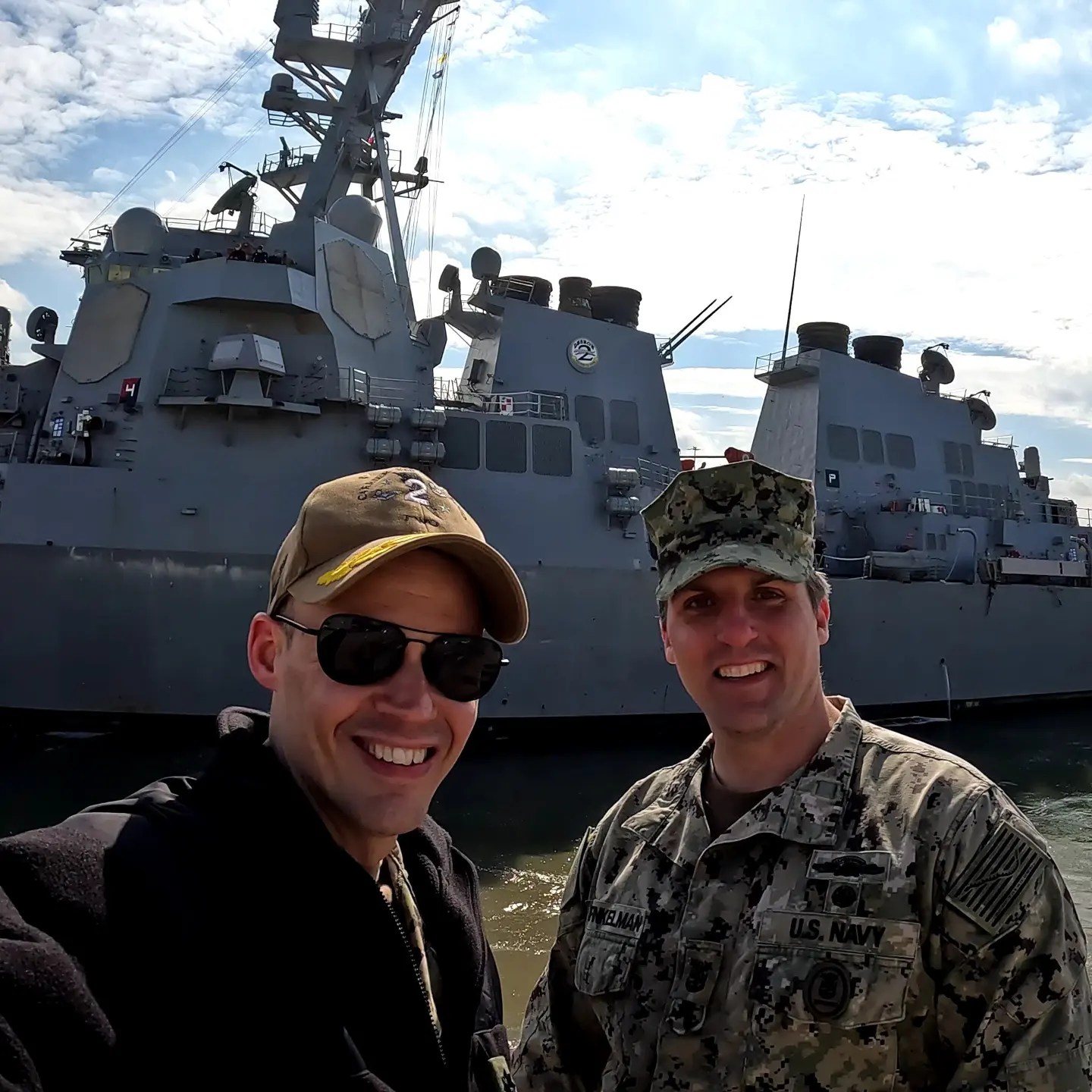
The work didn’t stop after that meal. It took more than two years more. When that ship finally got underway on a cold day in February 2022, four years after she entered the yards, I wasn’t her captain anymore. I stood on the pier and watched her sail.

I was proud of everything every sailor went through to get her back to sea, and proud that we had set the conditions for the crew to succeed. I was excited that everyone was finally back where they belonged, at sea, training and doing their jobs. The yards had taken those jobs away. That morning, they got them back.

And I was sad. I wasn’t going with them.

Four years in the yards could have broken that ship. It didn’t. Her crew survived, and then they thrived. After I left, the ship went through the basic and intermediate training phases successfully, deployed, and went on to take a spot overseas as one of our nation’s forward deployed units.

Some had rotated on by then, me included, but at least half of the crew was aboard for both the fire and the sailing. The standard held through the turnover.

What I’d tell any leader

Inspect what you expect. Announcing a standard isn’t leading. Walking the space is. Inspection tells you what’s wrong, and conversation tells you who your people are. Do both. People do what leaders check, not what leaders mention.

Every standard has to pass three tests. Known: written, shown, and taught. Linked: you can say in one sentence how it connects to readiness, safety, or the mission. Inspected: checked consistently, and the answer doesn’t depend on your mood. Some standards fail the second test. Cut them. A leader who prunes earns the right to hold the rest without exception.

Discipline produces motivation. My words only mattered because the progress backed them up. What fired that crew up was work they could see paying off: a certification earned, a system back online, a leak closed. Researchers Teresa Amabile and Steven Kramer found that small wins on meaningful work are among the strongest drivers of people’s day-to-day motivation. Pick wins your team controls, make progress visible, and tie it to the real job.

Give them a goalpost they can picture, and tell the truth when you miss. “Systems online” is a work package. “Thanksgiving dinner aboard” is something a sailor can taste. We hit the goal and missed the stretch, and I’d rather say so than pretend. A team that watched the gap close will trust you more for naming it.

Discipline isn’t rigidity. The boundaries stayed fixed: don’t hurt anyone, don’t break equipment, don’t violate procedure. Inside them, any sailor’s idea got a hearing. The berthing door is a small example: a junior sailor had the idea, I had one condition, and the crew policed itself. A fence with one clear rule gave them more room to lead than a rulebook with fifty.

Hard doesn’t mean spent. Demanding effort and standing a tired duty section down at 2200 are the same judgment. Knowing when to stop is part of discipline.

Build a culture that outlives you. The fire proved it once: about 70 sailors, under a Lieutenant and a chief petty officer, ran on habit with the captain and me at home. The pier proved it again: through turnover, the crew went on to thrive without me. If a standard only holds when you’re in the room, you built compliance. If it holds when you leave, you built a culture.

Try this Monday

  1. Pick one small standard. Define it so a stranger could tell whether it was met.
  2. Say in one sentence why it matters. If you can’t, cut it.
  3. Walk the floor and inspect it. Ask one person something that has nothing to do with the task.
  4. Set a goalpost your team can picture, with a date.
  5. Ask each person for one better way to do something, and tell them where the fence is.
  6. Ask yourself: if I left tomorrow, which standard would still hold?

Work with me

I coach leaders stepping into department head, XO, command, and director roles. Most arrive believing their job is to motivate. Before we talk about energy or influence, we look at what the team controls, whether progress is visible, and whether the leader’s own standard is clear. That’s the core of Mind Your Helm. If you’re newly promoted and your team feels flat, reach out here.

Views are my own and do not represent the Department of the Navy.
Optimize Your Off-Season: Strategies for Endurance Athletes

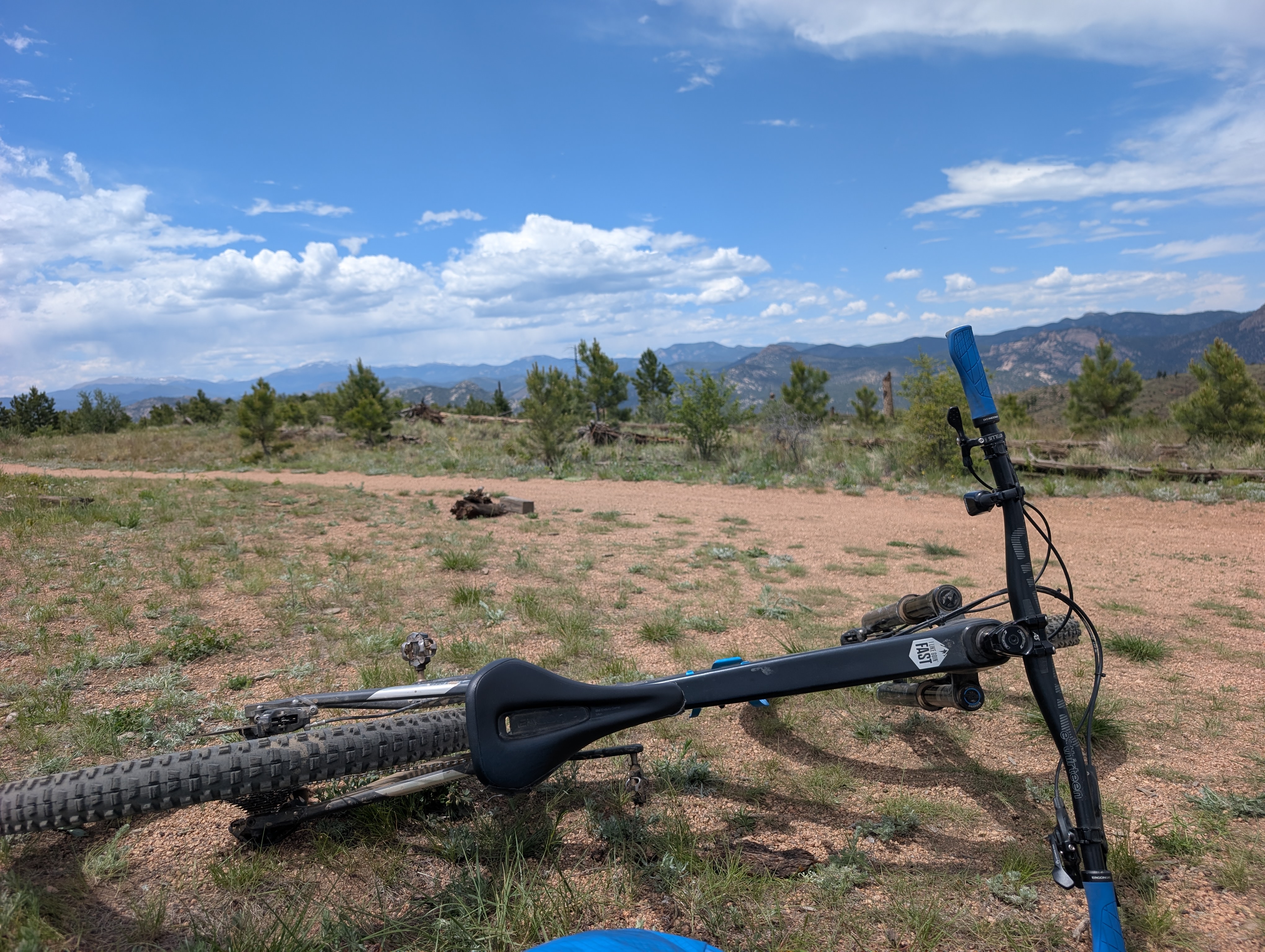
Mountain bike resting on the ground with a scenic view of mountains and blue sky in the background.

The season’s winding down, and if you’re like most of the athletes I coach, you’re ready for a break. Take it. You earned it.

Here’s where it goes wrong: walking away completely for four, six, eight weeks. Cold turkey feels like rest. It isn’t free. A 2022 study in the European Journal of Sport Science found meaningful drops in cardiorespiratory and muscular fitness in endurance athletes after just two weeks of complete training cessation — not months, weeks. What you built over a season doesn’t survive an off switch.

The other extreme is just as bad. Staying locked into structured, race-specific training all winter means you show up to next season’s build already worn down, with nothing left to spend.

The off-season isn’t “no training.” It’s different training, aimed at four things:

1. Recovery.
Actual recovery, not a lighter version of the same plan. Reduced volume, more sleep, less structure, permission to miss a day without it meaning anything. This is what lets the fitness you built all season actually consolidate, instead of just holding on by a thread. But that window has an edge — the detraining research above is the reason “a few weeks” and “a few months” are not the same thing.

2. Strength.
Real gym work, aimed at what 2027 is going to ask of you: durability, power, resilience to injury. A well-known study in Medicine & Science in Sports & Exercise had distance runners add heavy, low-rep strength work (think near-max half-squats) alongside their normal training for eight weeks. Running economy improved by roughly 5%, with no drop in VO2max and no added bulk. That’s a real edge, and the off-season, when you’re not trying to run fast on tired legs, is the best window to build it.

3. Base.
Easy aerobic volume, no structure, no pressure. Just time on feet, on the bike, in the water, keeping the engine warm. Research on elite endurance athletes across sports, running, cycling, rowing, cross-country skiing, consistently shows they spend somewhere around 80% of their training time at low, conversational effort and only about 20% at moderate-to-hard. The off-season is where that low-end base gets built without a race pulling you into the red to do it.

4. Technique and weaknesses.
This is the one nobody wants to do and everyone benefits from. The stuff you’ve worked around all season: the hip that never quite fires, the catch in your swim stroke, the pacing discipline that falls apart late in a race. Research comparing runners of similar fitness has found that a real chunk of the difference in running economy comes down to technique, not just physiology. Off-season is the only time you can slow down enough to actually fix something and let it become automatic, before race pace asks you to hold it under fatigue.

That’s the plan for the next several weeks: not maintaining what you did this year, but building the foundation for 2027.

Which is where I want to hear from you. Everyone’s 2027 goals look different: a first ultra, a faster century, getting back to racing after time off, or just building a body that can keep saying yes to adventure. Your off-season should be built around your specific goal, not a generic template.

If you want to map out what that actually looks like for you — strength split, recovery windows, base volume, and the technique work worth fixing now, send me a note or grab time on my calendar here: Contact Me

We’ll build it together.

Train for adventure. Let performance follow.

Why Rate of Perceived Exertion Beats Heart Rate Training

A few weeks ago I watched an athlete’s heart rate climb ten beats per minute on a climb she’d run a dozen times before, at a pace that felt, in her words, “exactly the same as always.” Her watch said she was working harder. Her legs said otherwise. Her watch was wrong.

That gap — between what your metrics say and what your body is actually telling you — is the whole reason I build every training plan around Rate of Perceived Exertion first, and heart rate, power, and pace second.

Not instead of them. Alongside them. But in the right order, because each of these tools is only honest under certain conditions, and none of them was built to run the whole show.

Heart rate: honest in the lab, unreliable everywhere else

Heart rate zone training came out of controlled lab tests in the 1970s and 80s — steady conditions, steady temperature, steady terrain. It’s a great tool in that exact environment. The problem is that almost none of you train in that environment.

Your heart rate isn’t just responding to your pace. It’s responding to your total stress load — and that includes things that have nothing to do with fitness:

  • Heat. Your body diverts blood to your skin to cool you off, so your heart rate climbs at the same pace and same effort, just because it’s 85°F instead of 60°F.
  • Elevation. Above about 5,000 feet, there’s less oxygen pressure in the air, so your heart works harder for the same output — before you’ve done anything differently.
  • Hydration and caffeine. Both push heart rate up independent of effort.
  • Cardiac drift. On a long ride or run, your heart rate climbs over time even when your effort hasn’t changed — partly rising core temperature, partly accumulating fatigue. If you chase a fixed heart rate number on a long day, cardiac drift will quietly talk you into slowing down when you don’t actually need to.
  • Fatigue, going the other direction. A genuinely tired athlete’s heart rate response gets blunted — it climbs more slowly and tops out lower, which can trick you into thinking you’re not working hard when you’re actually cooked.

None of that means heart rate is useless. Your resting heart rate and your recovery heart rate — measured the same way, under similar conditions — are genuinely useful signals for how well you’re absorbing training. I still have athletes track both. I just don’t build a workout around hitting a heart rate number when the conditions that day make that number meaningless.

Power: excellent on a bike, still catching up everywhere else

This is where discipline matters most, so let me be direct instead of vague: if you’re on the bike, your power meter is one of the best tools available, full stop. Cycling is a closed mechanical system — the road or trainer doesn’t change shape under you the way trail does. A watt is a watt whether you’re fresh or fried, uphill or down, once you account for grade. I use power on the bike constantly, especially for structured intervals and pacing long rides.

Running power is a different story — not because the idea is bad, but because the technology isn’t there yet. Running power meters don’t actually measure force directly; they estimate it from your motion and back-calculate what it would take to produce that speed. That estimate holds up fine on a flat road or a familiar loop of consistent trail. It falls apart the moment the surface changes — pavement to sand, hardpack to loose scree, a technical descent versus a smooth fire road. For anyone training across mixed or technical terrain, which is most of you, running power is a data point to note, not a number to chase.

And in the water — there’s no meaningful power metric at all. Feel is genuinely the only real-time tool you have.

Pace: only honest on a track

Pace tells you what you did. It doesn’t tell you how hard it was to do it. A 9-minute mile on fresh legs, flat pavement, cool morning air is not the same event as a 9-minute mile at hour six of a long trail day, climbing, in the heat. Same number on your watch, completely different physiological reality.

Pace is still worth tracking — it’s how you measure progress over time on comparable terrain, and it’s useful for pacing strategy on a course you know well. But treated as the primary intensity signal, it actively misleads you the second the terrain, weather, or fatigue level changes. Which, if you’re training for adventure instead of a treadmill, is most of the time.

RPE: the only tool that’s actually watching all of it at once

Rate of Perceived Exertion is nothing fancier than a 1–10 scale of how hard something feels, developed by a Swedish researcher named Gunnar Borg back in the 1960s. It sounds almost too simple to trust. Here’s why it works better than it sounds like it should: it’s the only measurement that integrates cardiovascular strain, muscular fatigue, and whatever the day itself is throwing at you — heat, altitude, bad sleep, a stressful week at work — into a single real-time number. Heart rate, power, and pace each capture a slice of that picture. RPE captures the whole thing, because it’s coming from the one sensor that’s actually experiencing everything at once: you.

The catch is that RPE is subjective — my 6 might be your 8. That’s exactly why I don’t just hand an athlete a scale and hope for the best. I calibrate it, using something borrowed straight from exercise science called the Talk Test:

  • Comfortable — you can talk in full sentences without effort. That’s roughly RPE 1–4.
  • Labored — you can still talk, but only a sentence at a time before you need to catch your breath. That’s your threshold zone, RPE 5–7.
  • Uncomfortable — you can barely speak at all. RPE 8–10.

Do that a few times across different efforts and I have a real, personal read on how you interpret hard — not a generic chart that assumes everyone feels intensity the same way.

How this actually shows up in your training plan

In practice, it looks like this:

  • On the bike — power is my primary number for structured work, RPE confirms it still feels right on the day.
  • On technical trail, in heat, or at altitude — RPE leads, heart rate is a secondary note, pace is context, not a target.
  • In the water — RPE, essentially by default. There’s nothing else reliable to lean on. But coach, you chased the clock for decades in the pool. Yes I did. But we’re endurance athletes, we’re not chasing hundredths of a second here, we’re chasing hours. I’m not knocking master’s swim programs, they’re great. But we’re not training for a 200 fly at master’s nationals.
  • On race day, especially anything with real climbing — I build pacing strategy RPE-first: figure out the effort you can sustain on the hardest climb, then hold everything else one to two points below that. That’s a more honest pacing plan than a flat heart rate or pace target that falls apart the moment the course tilts uphill.

None of this means throw away your devices. It means using them for what they’re actually good at, and not asking a heart rate monitor to do a job it was never built for. Data should inform your training. It shouldn’t be the verdict on how your day went — your body already knows that, if you’re paying attention to it.


Want help building a training plan that actually reads your effort instead of arguing with your watch?

Hit reply and tell me what you’re training for — or if you’re on Instagram, DM me RPE and I’ll walk you through exactly how I’d calibrate it for you.

Train for adventure. Let performance follow.

— Coach Wes

The Case for Imperfect Training

There is a version of endurance training that looks great on paper.

Every workout completed.
Every interval hit.
Every long session done exactly as written.
No interruptions. No fatigue. No schedule conflicts. No life.

And for most adventure-driven athletes, that version does not exist.

Good.

Because the athletes I work with are not trying to build fitness in a vacuum. They are building it inside full lives. Careers. Families. Travel. Stress. Weather. Limited time. Shifting energy. Real responsibilities.

That does not make you inconsistent.
That makes you human.

The problem is that too many athletes still judge themselves by a standard that was never built for the life they actually live. They miss one workout, shift a long ride, shorten a run, or swap a session because their body or schedule says something different than the plan.

And then the spiral starts.

They feel behind.
They feel like they are losing momentum.
They start questioning the whole week.
Sometimes they stop trusting themselves altogether.

But missed perfection is not missed progress.

Fitness is not built because one Tuesday workout was flawless. It is built through the steady accumulation of work over time. The big picture matters more than the isolated blips. One adjusted workout does not ruin your season. One messy week does not erase your base. One pivot does not mean you lack discipline.

In fact, for many athletes, learning how to adjust well is one of the most important skills they can build.

That is what imperfect training really is.

It is not laziness.
It is not softness.
It is not lowering the bar.

It is knowing how to stay pointed in the right direction even when the week does not go to plan.

Sometimes imperfect training means shortening the workout and still showing up.
Sometimes it means moving the key session and letting the rest go.
Sometimes it means taking the easy day easier than your ego wants.
Sometimes it means getting outside for two hours instead of forcing the exact numbers indoors.
Sometimes it means understanding that the best session for today is the one your life can actually support.

That is not failure.
That is maturity.

Adventure-driven endurance athletes need a different standard.

Not “Did I execute every detail perfectly?”
But:
Did I keep moving forward?
Did I make a smart decision?
Did I protect the rhythm of training inside real life?

Because that rhythm is what keeps you in the game.

The goal is not to become the athlete who never has disruption.
The goal is to become the athlete who knows how to navigate it.

That is where coaching actually matters.

Not in building some fantasy version of your life where nothing ever shifts.
But in helping you remove decision fatigue, adapt without guilt, and keep training in a way that supports both performance and the rest of your life.

You do not need more pressure.
You do not need a plan that punishes you for being busy.
You do not need to earn progress by executing perfectly.

You need a framework that works in the life you actually have.

That is the case for imperfect training.

Not less commitment.
Not less intention.
Just a better way to stay in motion.

Train for adventure. Let performance follow.

Leadership Isn’t About Working Harder — It’s About Direction

Many professionals believe leadership success comes down to one thing: Stay later. Work harder. Respond faster. Push through. Carry more. For a long time, this works. Intensity drives results. Responsiveness builds trust. Effort gets noticed. But as responsibility grows, something changes. The leaders who continue … Continue reading Leadership Isn’t About Working Harder — It’s About Direction

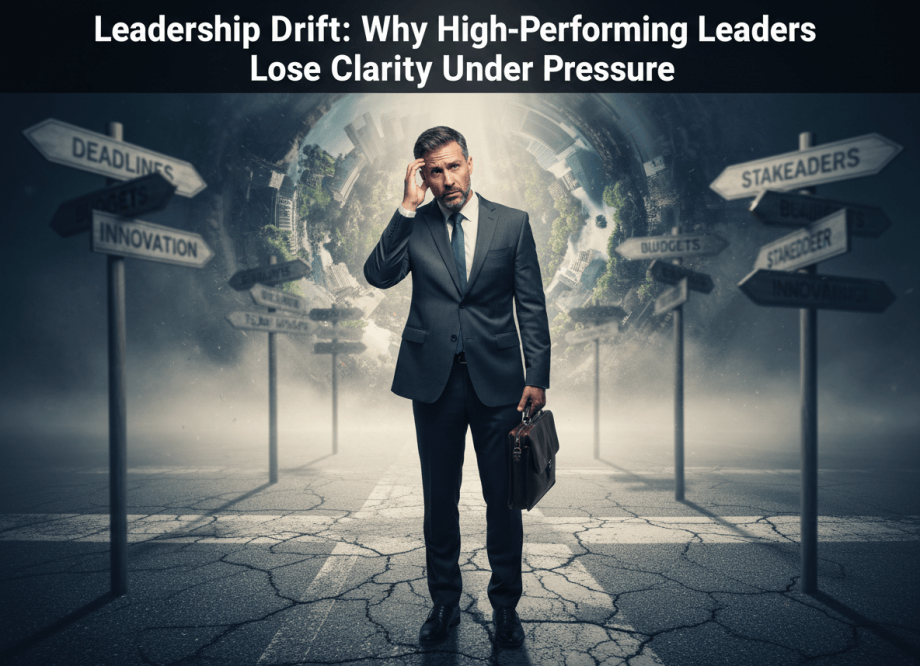
Leadership Drift: Why High-Performing Leaders Lose Clarity Under Pressure

Most leadership challenges don’t begin with failure, burnout, or a lack of capability.They begin with drift. For high-performing professionals and emerging executives, leadership drift often creeps in quietly—under pressure, with increasing responsibility, and amid constant decision-making. You’re still performing. Still trusted. Still delivering results. But … Continue reading Leadership Drift: Why High-Performing Leaders Lose Clarity Under Pressure